Coming to Bac Ha, participating in the Xoe dancing
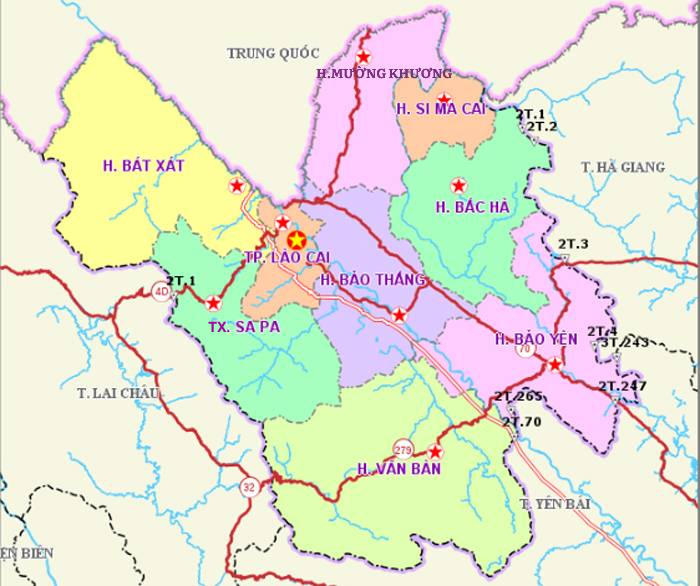
Bac Ha district (Lao Cai) - the place known as the "white plateau", in recent years has become an attractive cultural and ecological tourist destination for tourists from all over the world. Coming here, tourists can also admire the cultural features imbued with national identity, such as the Xoe dancing of the Tay ethnic group in Ta Chai.
Xoe festival of the Tay people in Ta Chai.
Xoe Ta Chai has been founded for a very long time, from about the 18th century, it was developed from the part of the rituals of praying for crops, making then... This is the most important cultural activity of the Tay community. Xoe Ta Chai has also been associated with the lord of this land for over a century, Hoang Yen Chao (father of Hoang A Tuong), because he was very interested in Xoe. When he built Hoang A Tuong's mansion (started in 1914, completed in 1921), he designed a large yard in the middle of the mansion as a Xoe yard. Also from here, Xoe Ta Chai was modified with new features of French culture. The interference between European and Asian cultures has made the Xoe circles softer and more lively, with both the liberal and rustic features of the highland people, and a little gentleness and romance of the classical waltz. That's the point that makes Xoe Ta Chai unique to other places.
The Xoe dancing includes many dances such as: spreading the scarf, spreading the fan, spreading the hat, spreading the stall... the dances all show the spirit of equality, regardless of boys and girls, old and young, the more people participate, the better and cozier is. The participants in the Xoe dance spread their hands in arms, their feet rhythmically walking to the sound of gongs, the sound of songs "Inh La Oi", "Xoe flower dancing"... resounded in the Northwest mountains. The most popular and famous Xoe dances are spreading the scarf, spreading the fan, spreading the hat, spreading the stall... These dances show high community solidarity, all participants hold hands, dance and sing, while dancing to the sound of pan-pipes and gongs. The more people participating in the Xoe dancing, the more bold and cozy it is. Xoe dances originate from the reality of life, of productive labor such as carrying water, grinding rice, pounding rice, picking vegetables, and catching fish…
Prominently, Xoe Then dance is an art form with the participation of many people of different ages in the Tay ethnic community. In addition to Xoe Then, who presides over worshiping the gods, those who participate in Xoe Then and Then sing are local Tay people.

The Xoe Then on the "white plateau" is always attractive to tourists.
Xoe Then used to be held on the 3rd and 15th of the first lunar month every year. When the spring rains are still fluttering, the weather is still cool, each person's arms hold with others dancing by the fire has become a very unique culture of the Tay people here.
Each dance has its own characteristics, but all are associated with the working and productive life of the people here. Xoe brings laughter to villages, hamlets, groups, helping people forget their hard time at work, live happier and more optimistic lives.
The Ta Chai people have a saying "Mi coc chang mi pai, mi sai chang mi chua" (There is a root to have a top, there is a new tree to have branches). Xoe Ta Chai is the inheritance and promotion of many generations, the ancestors' lives are passed on to the descendants that follow. The first generations of artisans like Vang Van Ti, Giang Po Thai, Lam Po Ran... have disappeared from the mountain, the second generation like artisans Lam Van Lu, Vang Thi Tieu... are also not around. But "when the old generations gone, the youger one will replace them", the Xoe "big trees" on Ta Chai still teach their descendants after the traditional xoe tunes, preserving the Tay ethnic identity here. The sound of pan-pipes and drums of grandfathers and fathers are like lullabies for children from the crib, growing up a bit, the children can watch the xoe dances of the grandmothers and mothers. Just like that, the xoe spreading of the Tay people is getting wider and wider, because of adding the rhythm and the arms of the younger generations who are following the traditional xoe dances.
With being recognized as the National intangible cultural heritage (2014), the value of the Xoe art of the Tay Ta Chai people has been raised to a new level, not just simply the traditional spiritual entertainment of the people here, but also the pride and honor of the people with a rich culture, a beauty that invites tourists from all around to come to Ta Chai to be immersed in the xoe dances./.