Promoting cultural heritage, creating a sustainable tourism ecosystem
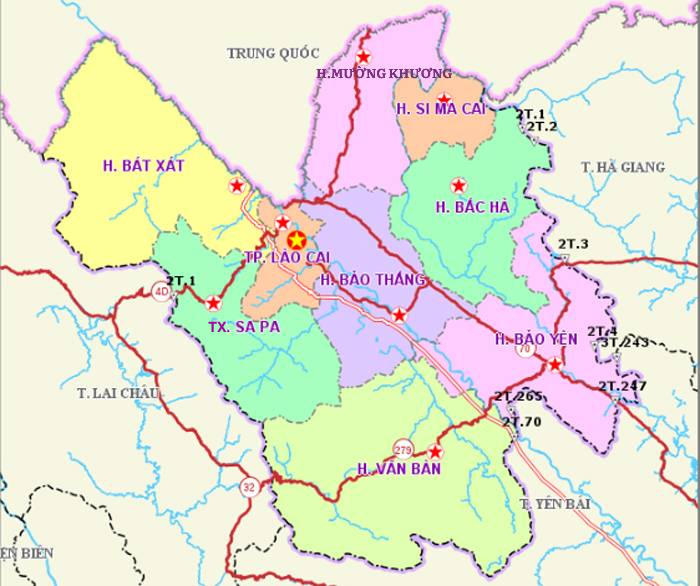
After the merger, the new Lao Cai province will not only expand in area and population but also have a large, inter-regional heritage space with historical - cultural - ecological depth. This is a valuable resource for Lao Cai to create a sustainable tourism ecosystem in the new position and strength.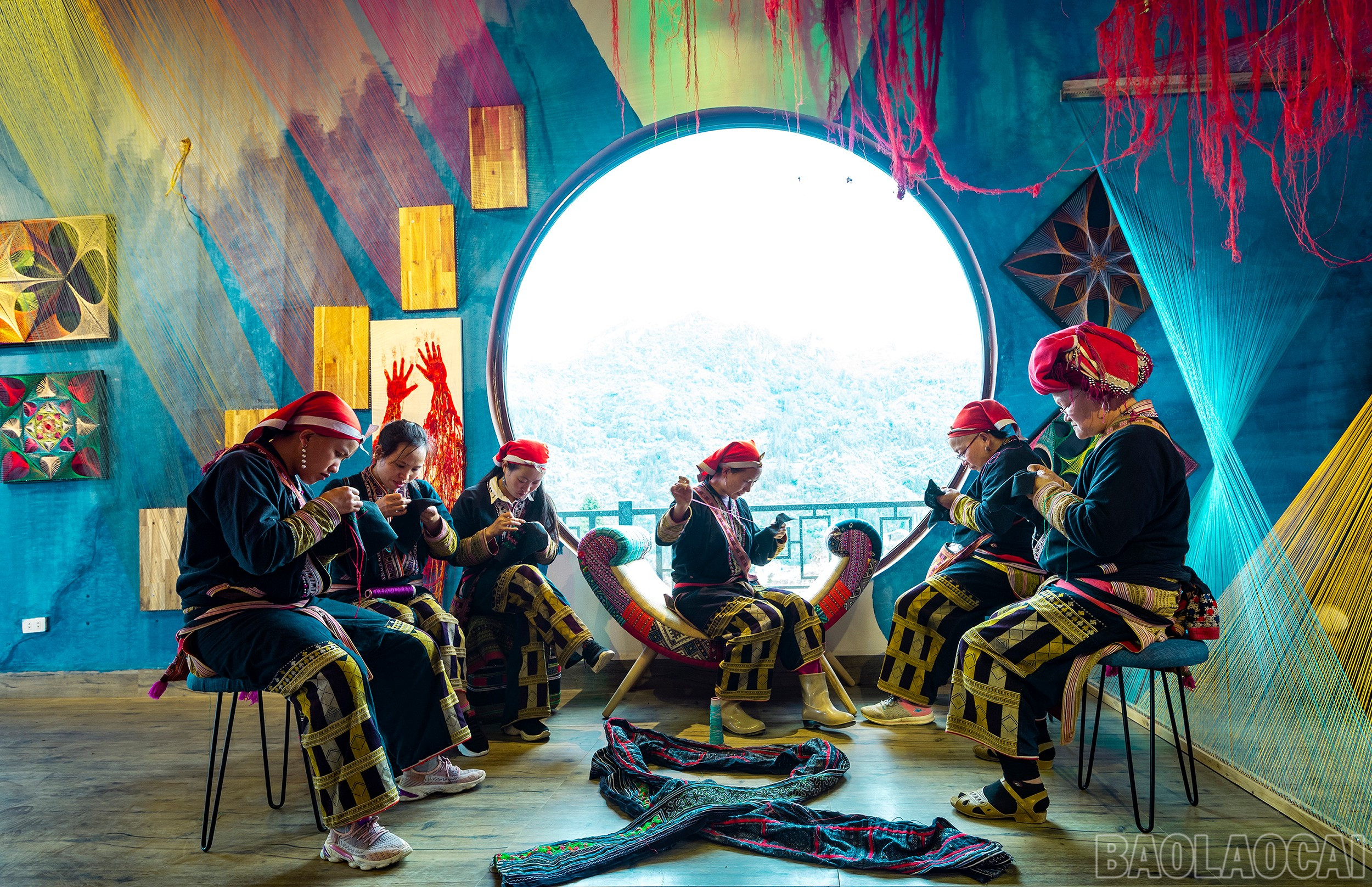
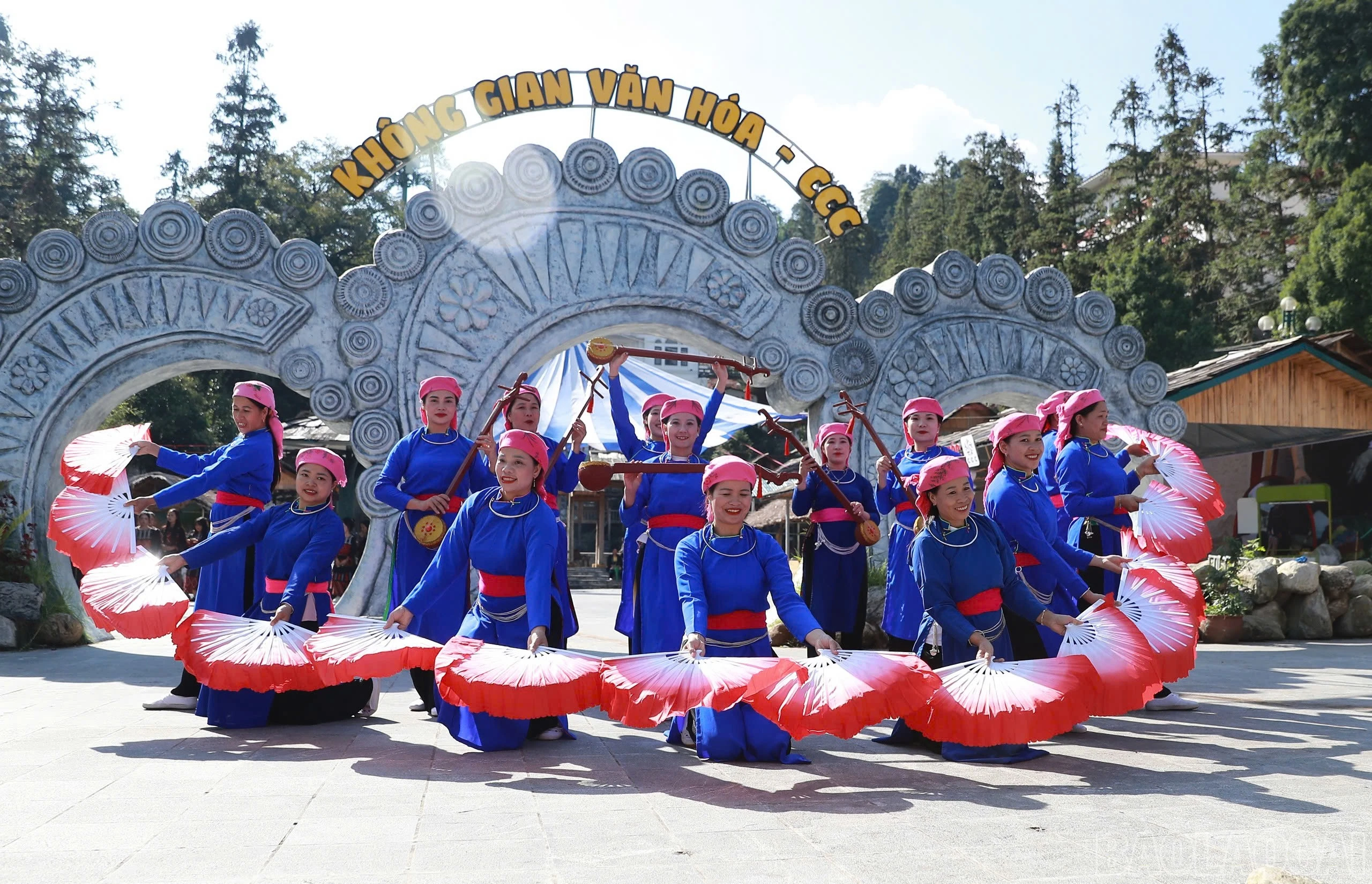
Cultural heritage of ethnic minorities - resources for tourism development in Lao Cai. Photo: Nguyen Manh Cuong
Vietnam's tourism development strategy to 2030 emphasizes: Promoting the value of heritage and national cultural identity to form unique, distinctive tourism products with competitive advantages, contributing to building a prominent brand of Vietnamese tourism on the world tourism map. Since 2019, Vietnam has been continuously recognized by the World Tourism Organization as the leading attractive heritage destination in the region and the world. This has shown the appeal of cultural heritage in positioning the destination brand.
After the merger, the new Lao Cai province will not only expand in area and population but also have a large, inter-regional heritage space with historical - cultural - ecological depth. This is a valuable resource for Lao Cai to create a sustainable tourism ecosystem in the new position and strength.
Identifying heritage spaces
After the merger, Lao Cai province has 204 ranked relics; has many ethnic groups, branches, and 4 language systems, creating a rich and diverse system of ethnic cultural heritage. Among them, there are intangible cultural heritages recognized by UNESCO: Heritage of rituals and tug-of-war games; Heritage of then practice of the Tay, Nung, Thai people; Heritage of Thai xoe art...; 56 intangible cultural heritages are listed in the list of national intangible cultural heritages.
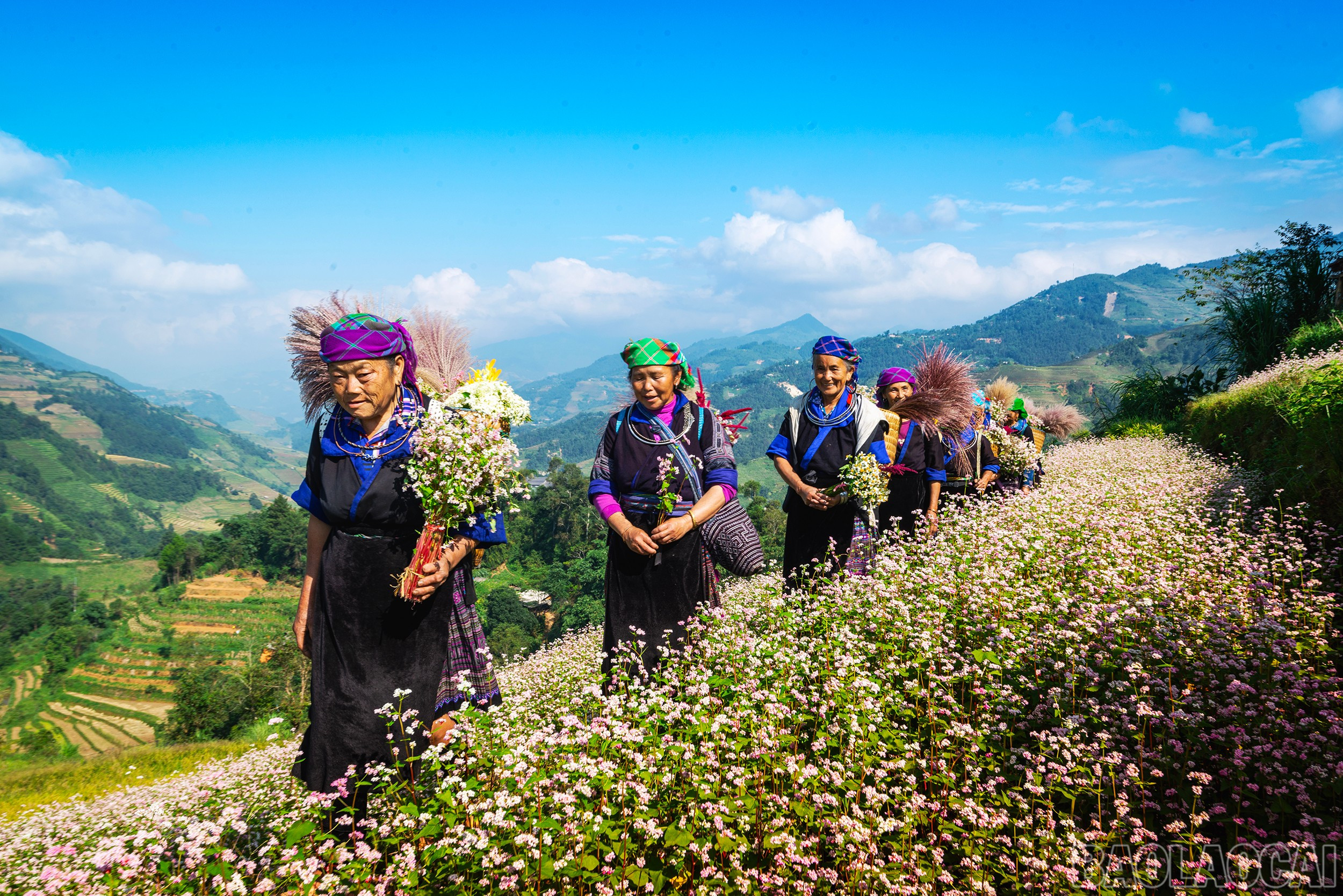
Lao Cai province exploits cultural heritage values to effectively serve tourism development. Photo: Nguyen Manh Cuong
However, it is worth mentioning that the merger has opened up a heritage space of profound value, not just stopping at individual relics and heritages. Heritage space according to the approach of UNESCO and ICOMOS is the totality of cultural - natural - human values created, inherited and continued over time, including: tangible and intangible heritage, cultural landscapes, and heritage practice communities. According to this approach, heritage space in Lao Cai has diversity associated with tropical, subtropical and temperate ecological zones.
Heritage spaces with strong connections such as: Mother Goddess heritage space associated with Mother Goddess relics along the Red River; Dien - Viet railway heritage space associated with Yen - Lao route; terraced field heritage space associated with Mu Cang Chai and Ta Van terraced field relics with Mong and Dao ethnic communities; Thai ethnic heritage space; Tay ethnic heritage space...
In particular, these heritage spaces can also expand to the South to connect with localities such as the Dao Mau heritage connecting with Phu Tho, Tam Dao... the Dien - Viet railway heritage connecting to Hanoi, Hai Phong; to the West to connect with Than Uyen, Muong Thanh... to the East to connect with Tuyen Quang...
Each heritage space contains many rich and unique heritage values such as: cuisine, costumes, architecture, customs, rituals... Heritage spaces in Lao Cai are also "alive", with contemporary values because they are being practiced in the community. The whole province has 2 folk artisans, 38 elite artisans and 49 folk artisans. These are valuable resources to be transformed into resources for tourism development.
Tourism ecosystem from heritage
Heritage and tourism have a dialectical and organic relationship. Especially for mountainous provinces and ethnic minority areas such as Lao Cai, cultural heritage tourism is considered a unique tourism product. Therefore, promoting heritage values to develop tourism has been implemented for many years. Both former localities of the new Lao Cai province have paid attention to building heritage tourism products associated with places such as Sa Pa, Mu Cang Chai, Bac Ha, Nghia Lo, Bao Yen, Tram Tau with brands such as: Giay community tourism in Ta Van, Dao community tourism in Ta Phin, Tay community tourism in Nghia Do, Ha Nhi community tourism in Y Ty, Mong community tourism in La Pan Tan, De Xu Phinh, Tu Le green rice festival, Thai xoe... At the same time, tourism linkage solutions have been continuously implemented by the two localities and constantly innovated and improved from the Roots Tourism program, to cooperation in developing spiritual tourism along the Red River and Tourism in 8 expanded Northwestern provinces. This is the foundation for Lao Cai tourism to have steps of development in the coming period.
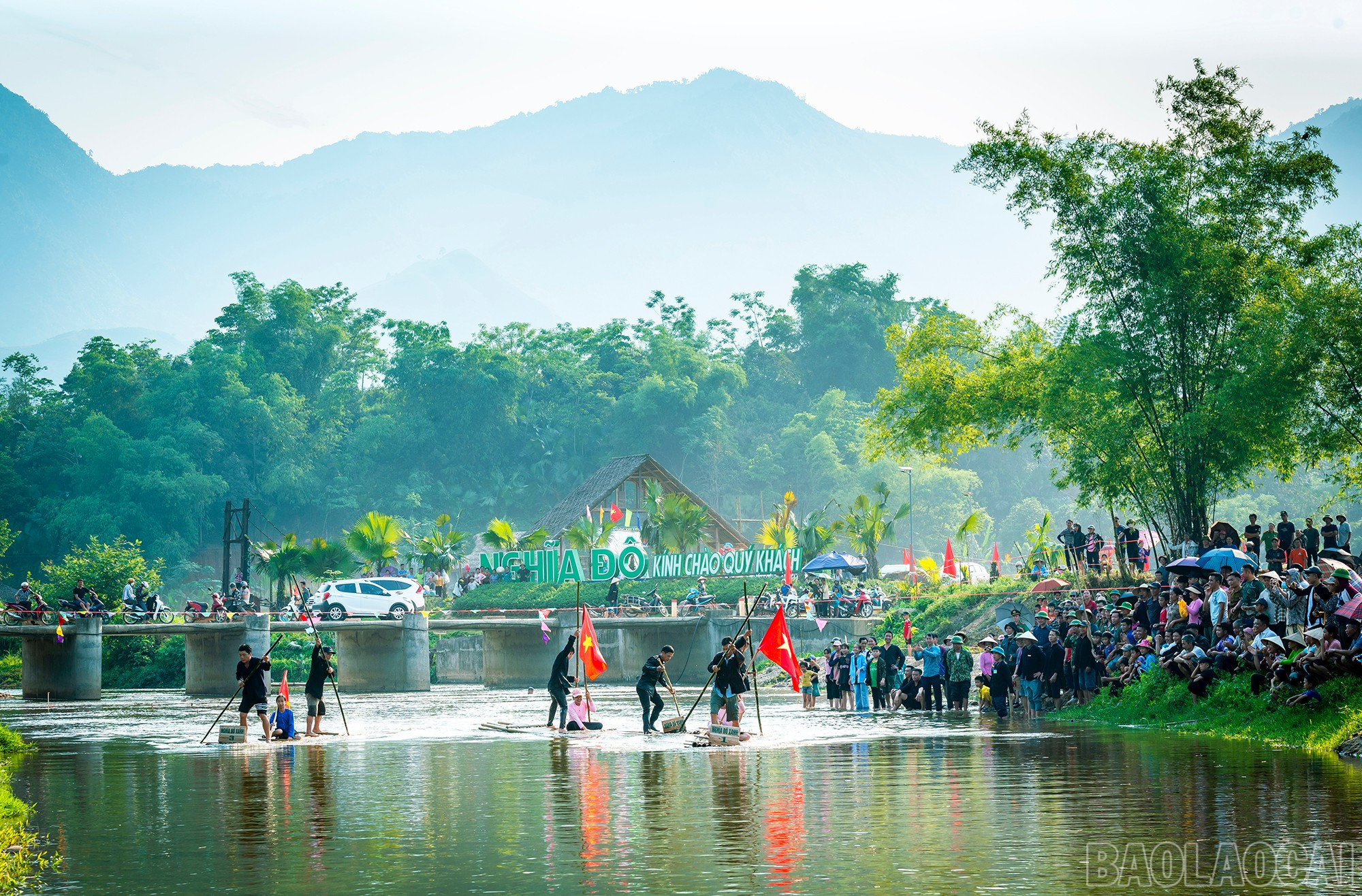
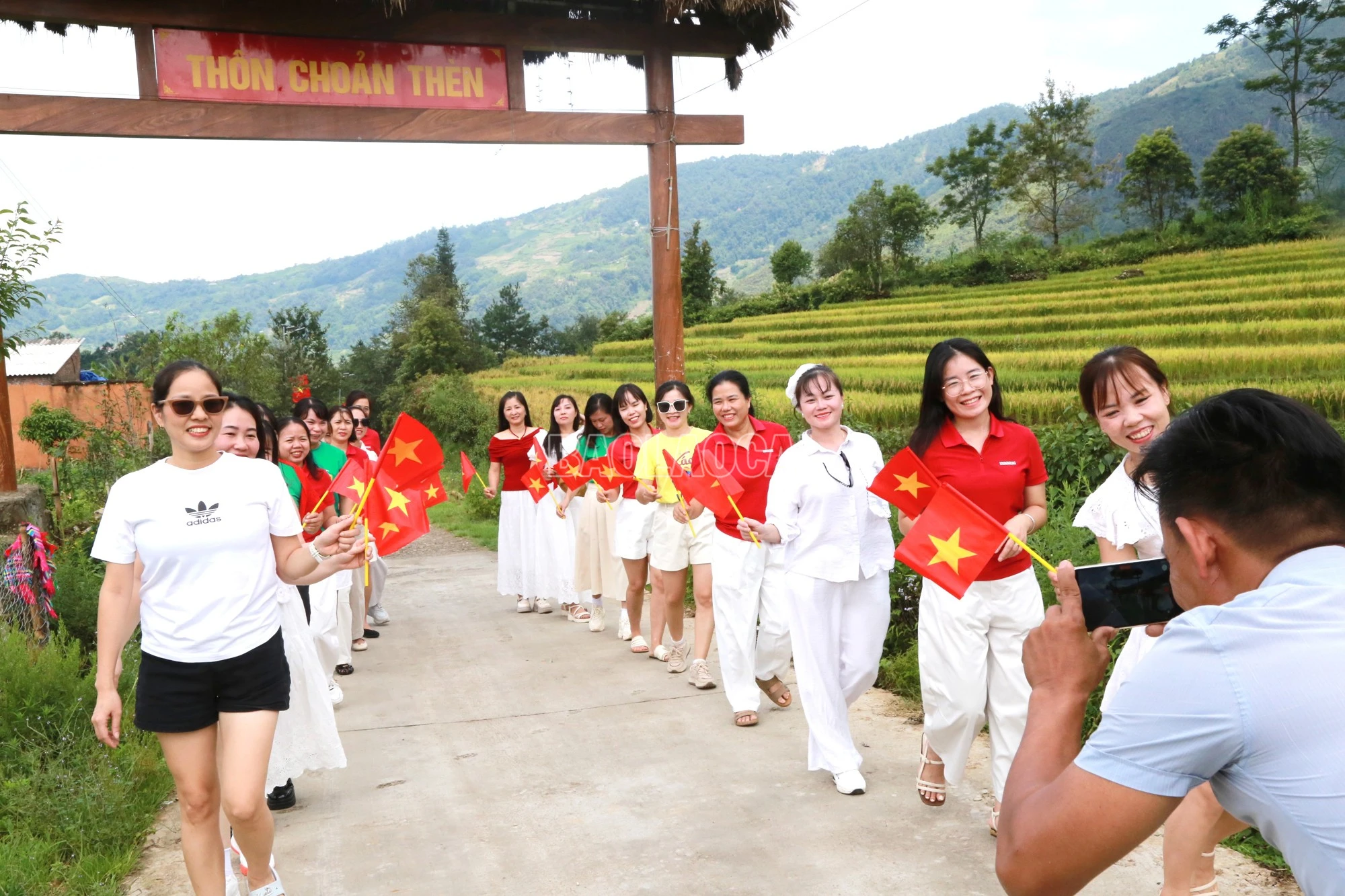
Tay community tourism in Nghia Do is also one of the unique tourism products of Lao Cai province. Photo: Nguyen Manh Cuong
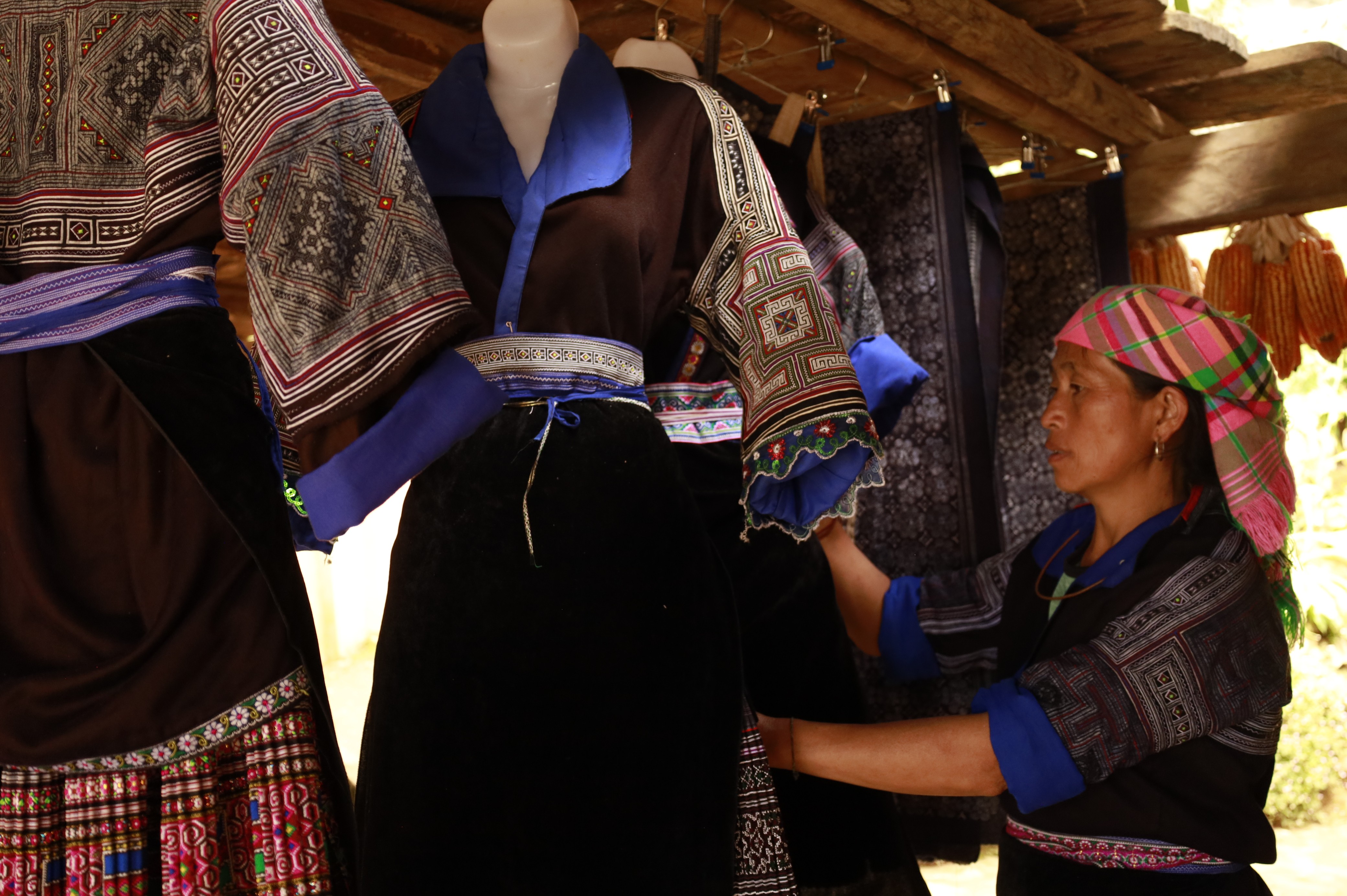
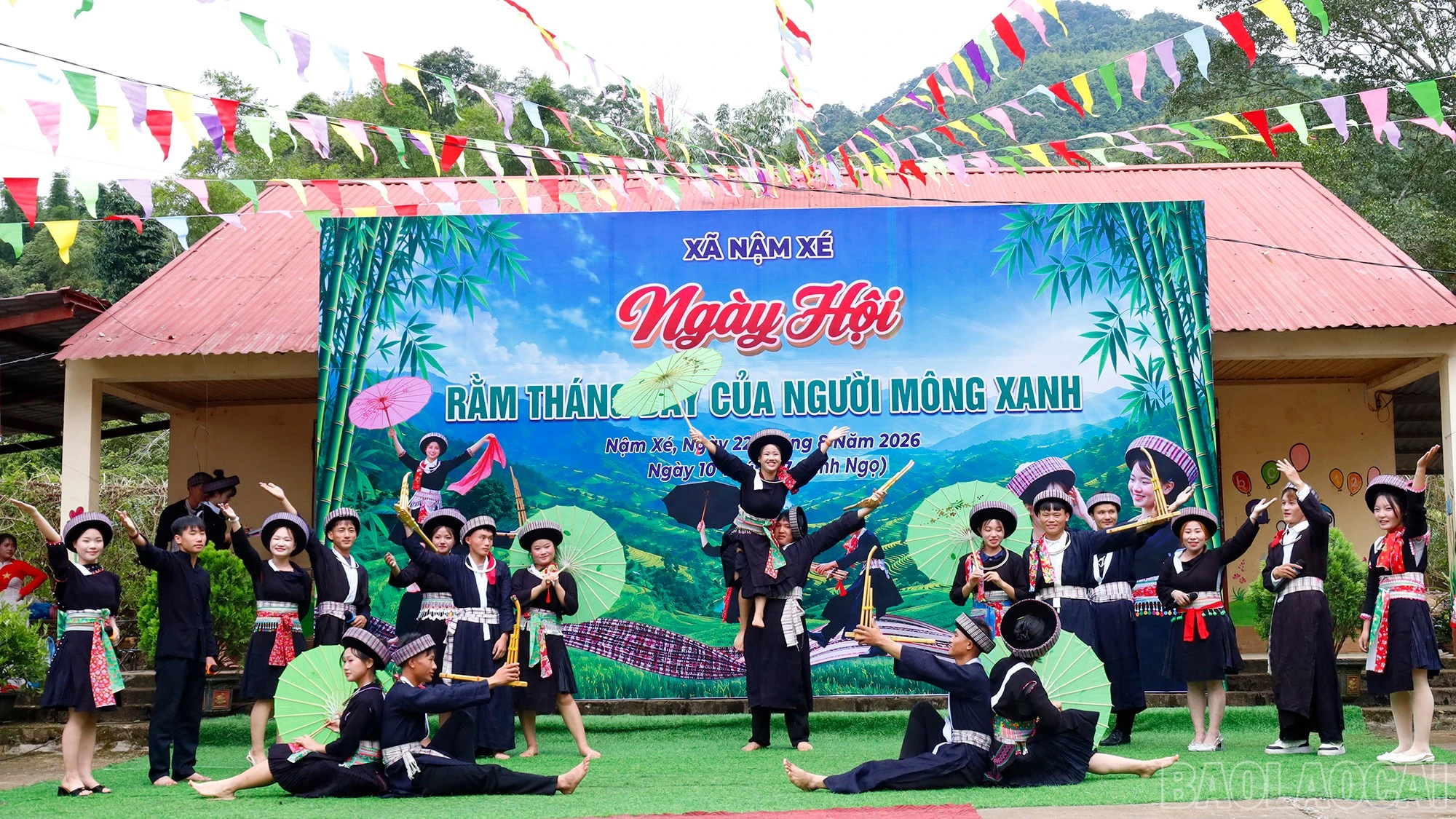
Mong ethnic culture in Mu Cang Chai - creates its own unique appeal.
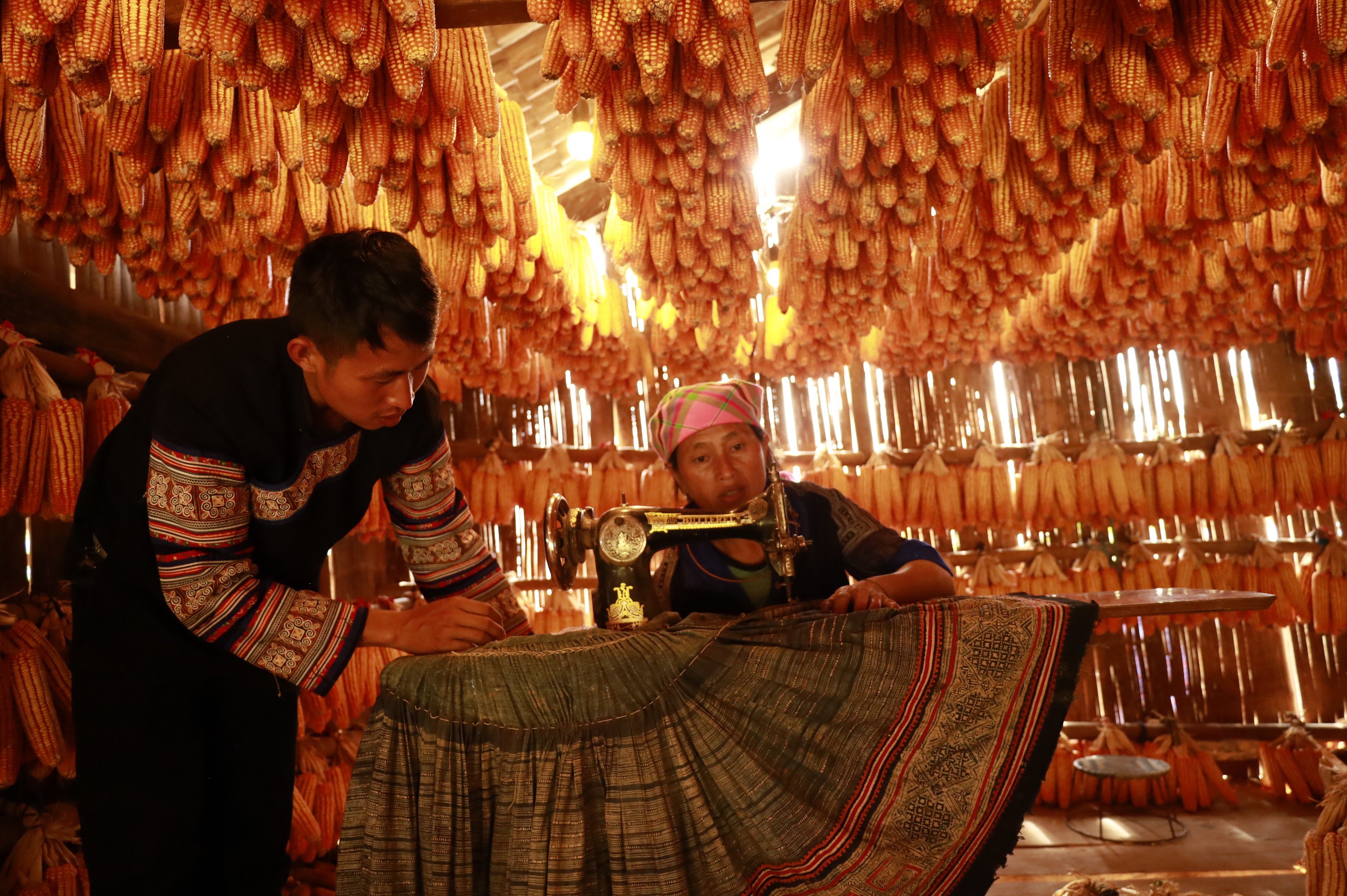
Exploiting the strengths of cultural heritage of ethnic groups in the province to expand tourism space for sustainable development.
In the current context of Lao Cai province - open space, rich heritage resources, great investment opportunities, the design and operation of heritage tourism does not stop at single products, at each point is to build a complete ecosystem with a multi-component network; in which, the factors of heritage - people - businesses - technology - policy operate as a network. Heritage is the core element of the ecosystem, the community plays the role of preserving heritage practices, businesses are product marketing developers, researchers are the ones who decode and preserve heritage values, the state in policies, invests in infrastructure, technology and communication to create digital tools, spread and connect.
Building a tourism ecosystem from heritage is the process of designing a sustainable, equitable and unique development environment. With a large, rich and unique heritage space, developing a tourism ecosystem from cultural heritage not only develops sustainable tourism but also builds the Lao Cai tourism brand on the national and international tourism map.
https://baolaocai.vn/phat-huy-di-san-van-hoa-kien-tao-he-sinh-thai-du-lich-phat-trien-ben-vung-post883010.html