Remarkable Trinh Tuong
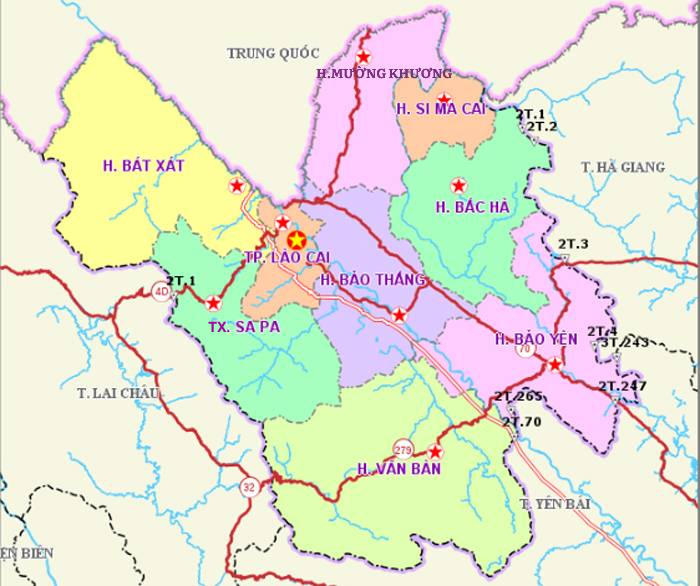
Located in the upper reaches of the Red River, next to A Mu Sung commune - where the Red river flows into Vietnam - Trinh Tuong commune (Bat Xat district) is not only the land with a rich history, but also with majestic mountains, poetic landscapes, villages with diversed cultural identity. |
| Ancient house of Ha Nhi people in Lao Chai village, Trinh Tuong commune |
Ancient vestiges on the mountainous town of Trinh Tuong
From Lao Cai city, it only takes about 1 hour to travel by car along Provincial Road 156 upstream of the Red River, we have reached the Trinh Tuong land. For a long time, this place has been famous for being the center of a cluster of communes in the upper part of the Red River with the crowded and bustling ethnic market, the place of communication, exchange and trade of ethnic minorities in the communes: Coc My, Trinh Tuong, A Mu Sung, Y Ty. Trinh Tuong is also the ancient land with ancient relics and ruins - historical imprints from hundreds of years ago.
Arriving at Trinh Tuong market, we are able to "watch" two hundred-year-old solid watchtowers - vestiges of colonial rule in this land. Each watchtower has 2 floors, about 7 m high, built of brick and stone, with walls 2 inches thick. Mr. Lu Van Muc, Giay ethnic group, over 60 years old, living near Trinh Tuong market said: According to seniors, the French used this watchtower to control the movement and trade of people in the past. Anyone passing by must stop to check and stamp.
From Trinh Tuong market, following the trail to a high hilltop, we met the mossy, ancient French fort. Over time, the remains of the fort are solid walls, ancient tree roots clinging from the top down like a net.
Along with the hundred-year-old ruins, Trinh Tuong also has the Mother Temple relic located on the banks of the Red River, near the border number 94 (2), recognized as the provincial-level historical and cultural relic in 2016. From 2019 to January 2021, the Mother Temple was embellished. The temple is the place to worship Mother Thuong Ngan, meeting the religious needs of ethnic minorities in the upper Red River and becoming the destination on the spiritual tourism journey of tourists. Every year, on the Mother's Day (March 10 of the lunar calendar), Bat Xat district organizes a festival of Trinh Tuong's mother temple with a lot of fun and excitement.
 |
| Tourists visit Mother Temple in Trinh Tuong |
Many attractive destinations
Along with relics and ruins, Trinh Tuong land increasingly attracts more tourists because of its poetic and majestic landscape. Not far from the center of Trinh Tuong commune, entering Ban Mac village, visitors will experience bathing in natural hot springs. After a long tired journey, just bathing in the hot springs, the body is relaxed and extremely comfortable. In recent years, in winter, Ban Mac hot springs attract a lot of locals to visit and experience.
In summer, when the weather is hot in the center of Trinh Tuong commune, visitors just need to go uphill about 20 km to reach the cool highland villages and charming landscapes. Lao Chai is the highest village in Trinh Tuong commune, bordering with Y Ty commune. From here, looking down is the center of the commune and the hidden S-shaped winding Red River, beyond the majestic mountains on other countries. In particular, Lao Chai is an ancient village of Ha Nhi people with mushroom-shaped earthen houses, roofs covered with green moss, as beautiful as in fairy tales.
Mr. Trinh Thanh Binh (Hai Duong) came to Lao Chai village to share: Before, I knew that there was only Ha Nhi village in Y Ty commune, I'm surprised when I come here, I also see such unique Ha Nhi villages. Lao Chai has fresh air, hundred-year-old ancient forests and rich cultural identity, which will surely become an attractive tourist destination in the future.
Mr. San Tho Suy, Standing Deputy Secretary of the Party Committee of Trinh Tuong Commune said: Trinh Tuong land has a long history associated with the cultural identity of the Kinh, Giay, Mong, Dao and Ha Nhi ethnic groups and it is granted by nature with many potentials and strengths to develop tourism, especially spiritual tourism, eco-tourism and community tourism. In the coming time, the Party Committees and Commune authorities are determined to effectively exploit these potentials. This is also one of the important solutions to help local ethnic people have an increasingly prosperous life.