Fresh Green of Ban Me
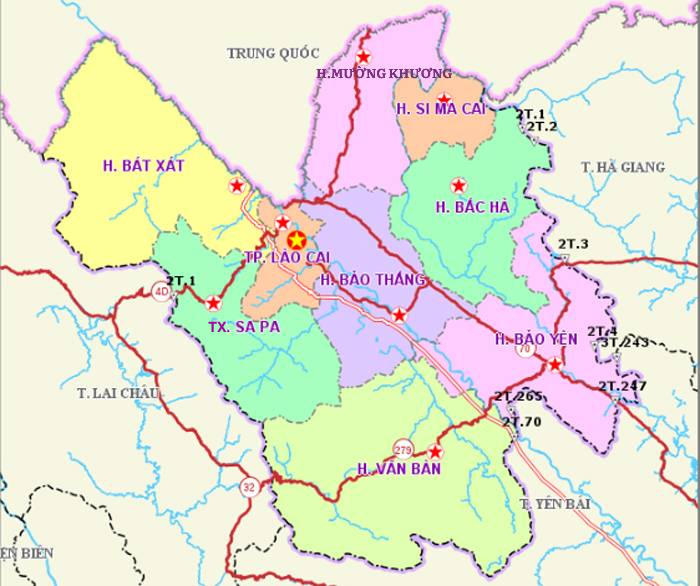
At the upstream of Chay river, Ban Me commune (Si Ma Cai district) is the residence of many ethnic groups, mainly the Nung people. What has impressed me the most after many years coming back to this land was when I entered Ban Me village to see the ancient houses, feel the unique cultural space, the fresh green color of the fields and the old forests. |
| Overview of Ban Me village |
The small road from the other side of Ban Me bridge followed the foothills of the mountain that brought us to the Nung village located in the valley overlooking the growing rice fields and surrounded by forests. Many generations ago, the ancestors of the Nung people came here to settle down and establish residential village in this valley. The whole village now has more than 100 households. The special thing in Ban Me is that most of the houses have unique architecture, the walls are made of soil up to 50cm thick, inside is a wooden frame divided into 2 floors. The first floor is the space for family, the second floor is the place to store rice, corn, and firewood…
Village elder Mr. Lung Dao Chin, 66 years old, a prestigious person in Ban Me, pointed to the traditional house and said: This house is 40 years old and is the oldest and largest house in the village and still remains as original. To decorate the house more beautiful, skillful craftsmen have meticulously carved the system of floral patterns on the railing in front of the house. In addition, the house still retains the yin-yang tile roof made of terracotta, which looks like layers of fish scales that are both ancient and elegant. In the land of winter that is always foggy and cold, houses with soil walls and roofs with yin and yang tiles resist frost and wind, bringing warmth in winter. In the middle of the sweltering summer, even though the outdoor temperature is close to 40 degrees Celsius, just stepping into the house, you feel like there is air conditioning.
Coming to Ban Me, another thing that impressed us was the immense green color of the rice fields, the forests, especially the ancient forest in front of the village like giant green raspberries. Coming close, everyone was amazed when they saw the old trees that the people hugged were growing luxuriantly like the wall protecting the village. In the forest, there were velvet trees with the root diameter up to 20cm, dropping bunches of crimson 5-pointed star-shaped fruits like hundreds of beautiful star lights. According to village elder Mr. Lung Dao Chin, it is the forbidden forest of the village that is hundreds of years old. Every year, from January 30th of the Lunar calendar, people in the village all contribute money to buy a large pig and make offerings to the forest god, praying to the god for the bountiful harvest, the good harvest of corn, and prosperous life.
Ban Me forbidden forest is very sacred, the Nung people in the village believe that anyone who violates the forbidden forest will be punished by the gods, so no one dares to cut down trees or collect firewood, not even the dead branches falling down. Also from the belief of worshiping the forest god and protecting the forest, not only the forbidden forest but also other forests around Ban Me village are fresh green, like the green lung that regulates the climate, purifying the air, the stream is full of water to make rice fields more luxuriant. Ban Me field has become the largest and second largest corn and rice granary in the upstream region of the Chay River.
When the sun came down, I stood watching Ban Me village from the back of the mountain far away. The sun came down, but the sun's rays still shined yellow on the horizon, the afternoon blue smoke rose from the yin and yang tile roofs, making the scene here strangely peaceful. The sound of the buffalo muzzle returning to the village, the figures of the Nung women carrying firewood and wild vegetables back home gradually disappeared behind the ancient forest. Although the years have passed, the rhythm of life here has been so peaceful for many generations.